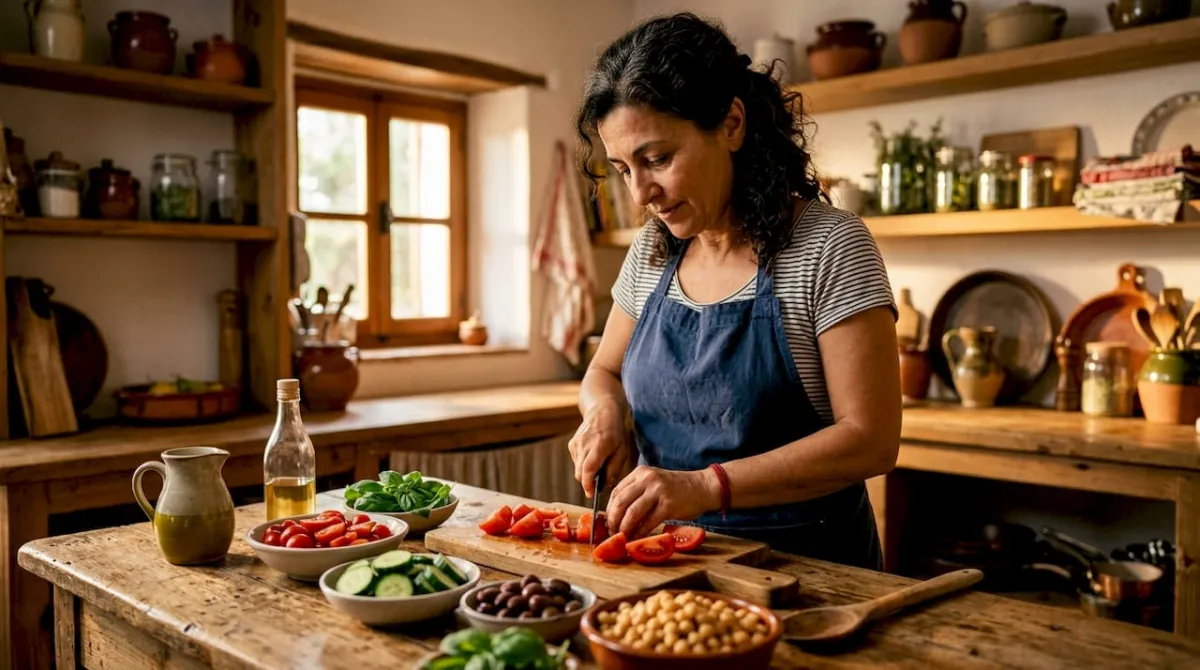
What is Mediterranean meal planning and how do you start?
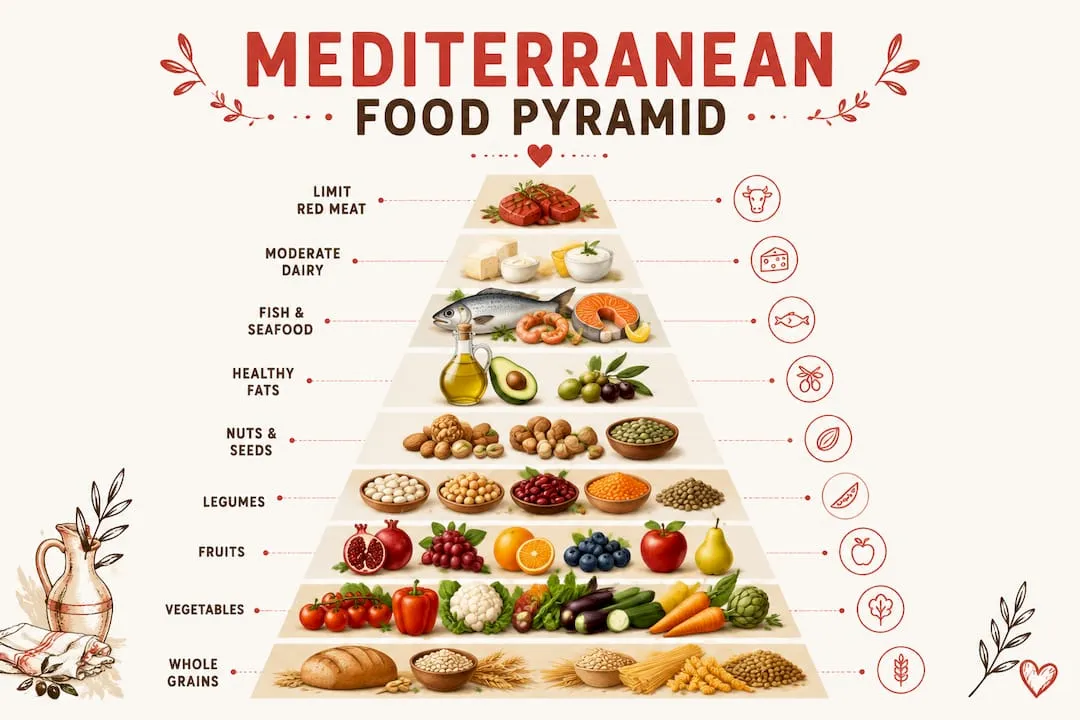
Mediterranean meal planning means structuring your weekly meals around a plant-forward eating pattern built on whole grains, vegetables, fruits, legumes, nuts, fish, and extra virgin olive oil. It is not a rigid calorie-counting system. Harvard Health describes it as a style of eating that emphasizes minimally processed, plant-based foods, with flexibility built in from the start.
The diet’s core strength is its pattern-based approach. You do not need to overhaul your kitchen overnight or memorize macros. You shift the proportions of what you already eat, adding more vegetables, swapping butter for olive oil, and choosing fish over red meat a few times a week. That gradual shift is exactly what makes it sustainable.
Health benefits are well-documented. The PREDIMED trial found roughly a 30% reduction in cardiovascular events among participants following a Mediterranean-style diet. Beyond heart health, consistent adherence is linked to lower risk of type 2 diabetes, metabolic syndrome, and cognitive decline.
To get started with your Mediterranean meal plan, keep these essentials in mind:
- Extra virgin olive oil is your primary cooking fat, replacing butter and vegetable oils
- Vegetables and fruits form the base of every meal, eaten several times daily
- Whole grains like bulgur, farro, quinoa, and brown rice replace refined carbohydrates
- Legumes (chickpeas, lentils, white beans) appear at least three times per week
- Fish and seafood feature at least twice a week, especially omega-3-rich varieties like salmon and sardines
- Nuts and seeds serve as snacks and recipe additions, not afterthoughts.
- Red meat and sweets are occasional, not weekly staples
The Cleveland Clinic frames it well: you focus on overall eating patterns rather than strict formulas. That mindset shift from “rules” to “rhythms” is where most beginners find their footing.
What foods belong on a Mediterranean diet food list?
Every Mediterranean weekly menu draws from the same core categories. Knowing what lives in each one makes grocery shopping faster and meal decisions easier.
Vegetables and fruits
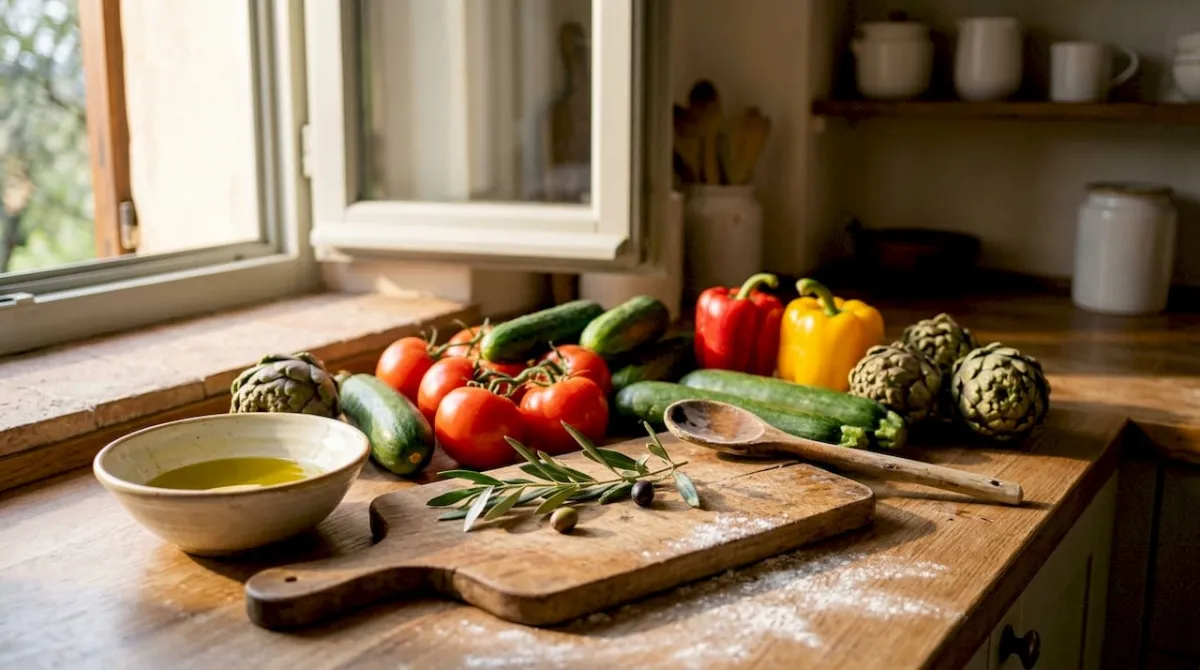
Eat these several times daily. Tomatoes, cucumbers, zucchini, eggplant, leafy greens, bell peppers, artichokes, and onions are Mediterranean staples. For fruit, think figs, oranges, pomegranates, grapes, berries, and apples. Seasonal and local produce always wins on flavor and cost.
Whole grains and legumes
Whole grains include bulgur, farro, quinoa, oats, barley, whole-wheat pasta, and brown rice. Legumes cover chickpeas, lentils, cannellini beans, black beans, and hummus. Both categories deliver fiber and plant-based protein that keep you full between meals.
Nuts, seeds, and healthy fats
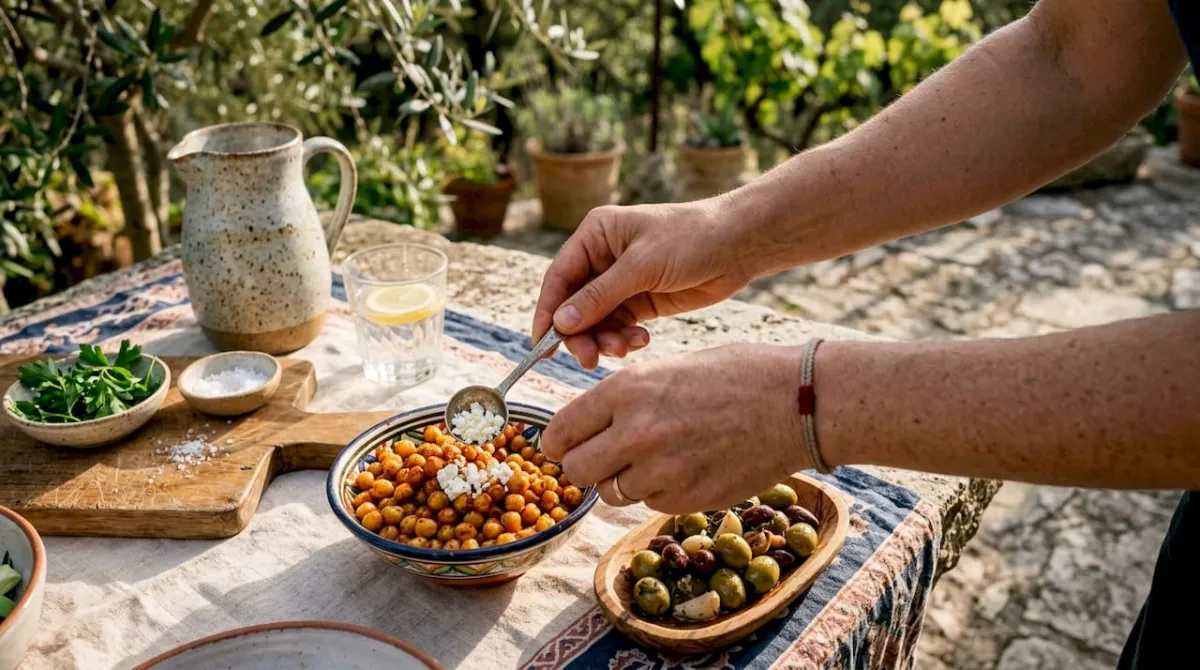
Walnuts, almonds, and hazelnuts are the top picks. Sunflower seeds, pumpkin seeds, and tahini round out the category. Extra virgin olive oil is the diet’s signature fat, used for cooking, dressing salads, and dipping bread.
Fish, poultry, and dairy
- Fish: Salmon, sardines, herring, tuna, mackerel, and shellfish like mussels and clams, at least twice a week
- Poultry: Skinless chicken or turkey, no more than once daily
- Dairy: Plain Greek yogurt, low-fat cheese (especially feta), and 1% milk in moderate amounts
- Eggs: Up to one yolk per day; no limit on egg whites
Foods to limit or avoid
| Category | What to limit |
|---|---|
| Added sugars | Sodas, fruit juices, ice cream, granola bars, pastries |
| Refined carbs | White bread, white rice, processed cereals |
| Processed meats | Deli meats, sausage, hot dogs |
| Red meat | Beef, pork, lamb (no more than once a week) |
| Saturated fats | Butter, cream, full-fat processed cheese |
| Alcohol | Beer and liquor; red wine in moderation only |
Seasonality matters more than most guides acknowledge. Swapping imported out-of-season tomatoes for roasted winter squash keeps the diet varied and your grocery bill reasonable. The Mediterranean diet is adaptable to diverse households, provided the plant-forward ratio stays intact.
How much should you eat? Serving sizes and guidelines
Portion guidance gives the Mediterranean diet its structure without turning it into a math exercise. The Cleveland Clinic’s recommendations offer a practical starting framework, best refined with a registered dietitian based on your individual needs.
| Food group | Daily or weekly goal | Serving size |
|---|---|---|
| Fruits | 3 servings per day | ½ cup to 1 cup |
| Vegetables | At least 3 servings per day | ½ cup cooked or 1 cup raw |
| Whole grains | 3–6 servings per day | ½ cup cooked grains or pasta; 1 slice bread |
| Extra virgin olive oil | 1–4 servings per day | 1 tablespoon |
| Legumes | 3 servings per week | ½ cup |
| Fish | 3 servings per week | 3–4 ounces |
| Nuts | At least 3 servings per week | ¼ cup nuts or 2 tablespoons nut butter |
| Poultry | No more than once daily | 3 ounces |
| Dairy | No more than once daily | 1 cup milk or yogurt; 1½ ounces cheese |
| Red meat | None to 1 serving per week | 3 ounces |
A well-structured Mediterranean diet meal plan targets roughly 1,800 calories daily, with 73–98 grams of protein and 31–53 grams of fiber. Those ranges support satiety and metabolic health without obsessive tracking.
A few practical tips for staying on track with portions:
- Measure olive oil by the tablespoon until you develop an eye for it; it adds up quickly
- Fill half your plate with vegetables before adding grains or protein
- Choose fruit over dessert at least five nights a week
- Keep nuts pre-portioned in small containers so a “handful” stays honest
How do you create a personalized Mediterranean meal plan?
Building a Mediterranean meal plan that actually sticks takes more than printing a generic PDF. Here is a step-by-step process that accounts for your schedule, preferences, and household size.
- Set your calorie target. A realistic calorie distribution looks like this: 25% at breakfast, 35% at lunch, 30% at dinner, and 10% across snacks. Adjust up or down based on your activity level.
- Choose your protein anchors. Decide which fish, legume, or poultry dishes will anchor each dinner. Planning three fish nights and two legume nights per week covers the Mediterranean frequency goals automatically.
- Stock the pantry first. Extra virgin olive oil, canned chickpeas and lentils, whole-grain pasta, canned tomatoes, dried herbs (oregano, thyme, rosemary), and a good lemon supply are your foundation. With these on hand, you can build a meal from almost nothing.
- Plan for batch cooking. Cook a large pot of farro or quinoa on Sunday. Roast a sheet pan of vegetables. These components drop into salads, grain bowls, and soups all week without extra effort.
- Build in flexibility. Swap salmon for sardines if the price is better. Replace spinach with whatever leafy green is freshest. The pattern matters more than the specific ingredient, and rigid adherence to a single recipe is the fastest route to quitting.
- Adjust for dietary needs. Vegetarians can replace fish servings with additional legumes, tofu, or eggs. Gluten-free eaters swap wheat-based grains for quinoa, brown rice, or certified gluten-free oats. Those with nut allergies use seeds like pumpkin or sunflower in place of almonds or walnuts.
- Consult a dietitian. Before making major changes, especially if you manage a chronic condition, a registered dietitian can tailor your plan to your medical history and preferences.
Pro Tip: Flavor fatigue is the number one reason people abandon Mediterranean meal plans. Rotate your herbs and acids: swap lemon for red wine vinegar one week, try smoked paprika instead of oregano the next. Fresh herbs, pantry staples like olive oil, and a squeeze of citrus can make the same base ingredients taste completely different.
For a ready-made starting point, the Homecooked 7-day Mediterranean plan gives you a structured weekly template you can adapt immediately.
Sample 7-day Mediterranean meal plan
This sample week covers all meals and snacks, drawing on core Mediterranean foods. Prep times are kept short, and several components double across multiple days to reduce cooking time.
| Day | Breakfast | Lunch | Dinner | Snack |
|---|---|---|---|---|
| Monday | Greek yogurt with walnuts and fresh berries | Chickpea and farro salad with lemon and olive oil | Salmon with roasted vegetables and quinoa | Apple with almond butter |
| Tuesday | Overnight oatmeal with sliced banana | Whole-grain pasta salad with cherry tomatoes and feta | Grilled chicken over cannellini beans with spinach | Handful of mixed nuts |
| Wednesday | Whole-grain toast with ricotta and sliced tomato | Lentil and vegetable soup | Steamed mussels with orzo and a green salad | Nonfat Greek yogurt with a drizzle of honey |
| Thursday | Egg white omelet with spinach and mushrooms | Greek salad with kalamata olives and whole-grain pita | Cod with lentils and roasted sweet potato | Whole-grain crackers with hummus |
| Friday | Steel-cut oats with ground flaxseed and blueberries | Bulgur tabbouleh with cucumber and parsley | Shrimp and vegetable kabobs with toasted quinoa | Fresh figs or orange slices |
| Saturday | Plain yogurt with pomegranate seeds and almonds | Roasted portobello sandwich on whole-grain bread | Farro with roasted winter vegetables and feta | Raw veggies with yogurt dip |
| Sunday | White bean and egg shakshuka | Mediterranean couscous salad with chickpeas | Buddha bowl with brown rice, roasted peppers, and tahini | Dark chocolate with a few walnuts |
A few notes on making this week work in practice:
- Cook a double batch of farro or quinoa on Monday; use it through Wednesday
- The lentil soup on Wednesday makes enough for two lunches
- Roasted vegetables from Monday’s dinner work as a side on Tuesday
- For quick Mediterranean dinners on busy nights, canned fish, pre-cooked grains, and a handful of greens come together in under 15 minutes
For more Mediterranean breakfast ideas or a deeper collection of dinner recipes, Homecooked has dedicated recipe guides for each meal of the day.
Common beginner challenges and how to overcome them
Most people who struggle with Mediterranean meal planning hit the same few walls. Knowing them in advance makes them easier to clear.
Perceived complexity is the biggest one. The diet looks elaborate when you see recipes featuring farro, tahini, and preserved lemons. The reality is that most Mediterranean meals are built from five or six ingredients. A can of chickpeas, some olive oil, lemon, garlic, and whatever vegetable you have on hand is a complete meal.
Repetitive meals creep in when you rely on the same two or three recipes. The fix is simple: change your herb or acid each week. Oregano and lemon one week, cumin and red wine vinegar the next. The VA’s Mediterranean diet guidance specifically highlights that consistent use of fresh herbs, spices, and olive oil prevents monotony without requiring complex techniques.
Portion misjudgments with olive oil and nuts catch many beginners off guard. Both are healthy, but calorie-dense. Measuring for the first two weeks builds an accurate mental picture that sticks.
- Start with one Mediterranean meal per day, not a full week overhaul
- Invite family or friends to cook with you; shared meals reinforce the lifestyle
- Keep a short list of five “anchor recipes” you can make without thinking
- Eat out confidently by ordering grilled fish, grain salads, or vegetable-forward dishes and asking for olive oil instead of butter
The PREDIMED research showing a roughly 30% reduction in cardiovascular events came from people following the diet consistently over time, not perfectly. That distinction is worth holding onto when a week goes sideways. Progress over perfection is the actual Mediterranean philosophy, and emphasizing patterns over rules is what drives long-term success.
Mediterranean recipes to plan your week around
The easiest way to start is to pick a handful of Mediterranean staples and let the app build the week around them. Add any of these to your plan in Homecooked — it checks what you already have, tells you the few ingredients you're missing, and walks you through each dish step by step.
Mediterranean recipes to build the week from
1Greek Chicken Quinoa Bowl

Greek24 min6g fiber46g protein
Lemon-oregano chicken with a chopped Greek salad and tzatziki over quinoa — high in fibre and protein, easy on the blood sugar.
View recipe →2Tsipoura sti Schara (Grilled Sea Bream with Ladolemono)

Greek30 min1g fiber30g protein
Whole sea bream grilled and drizzled with a whisked olive-oil-and-lemon sauce. Clean, Mediterranean, and salt-light.
View recipe →3Crispy Chickpea Buddha Bowl
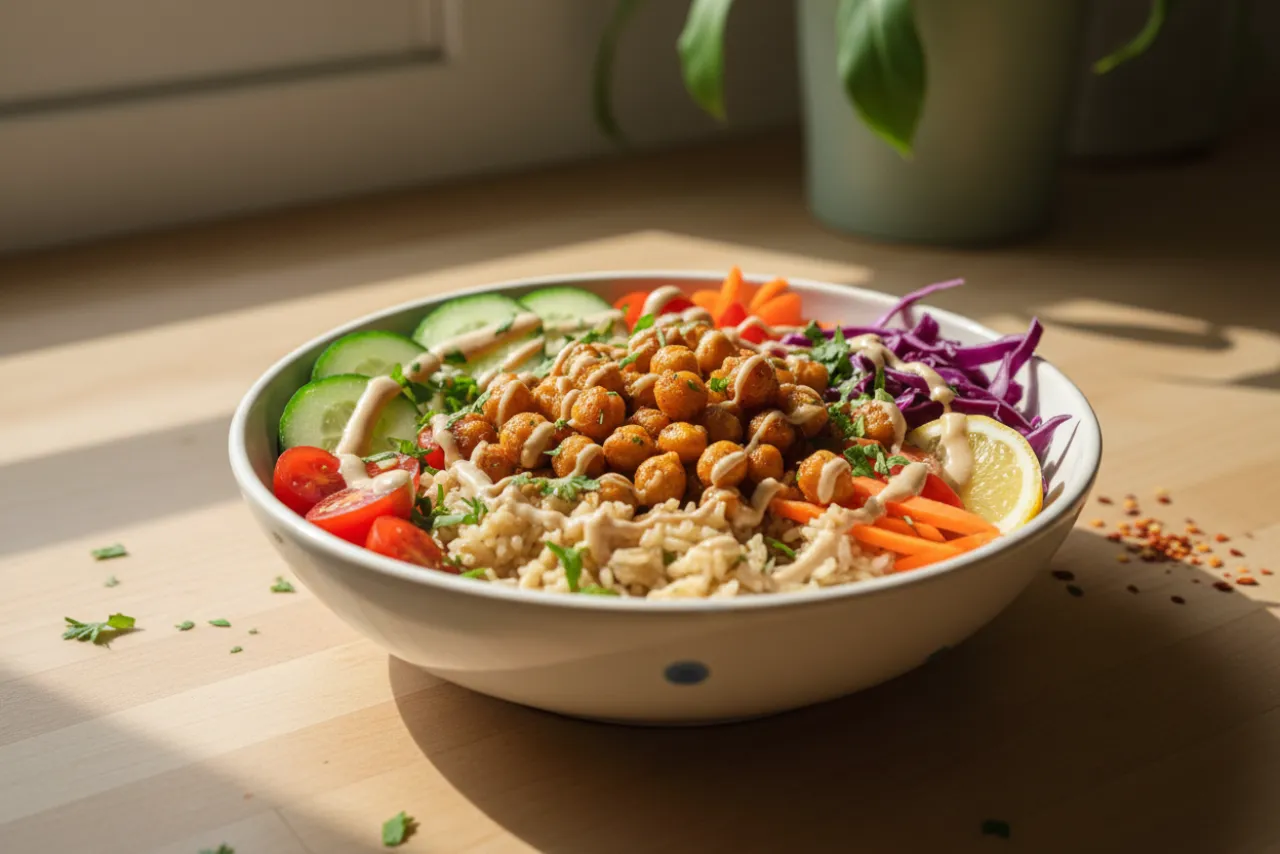
Mediterranean45 min18g fiber22g protein
Roasted chickpeas, brown rice, and raw vegetables with a tahini drizzle — a colorful, plant-based bowl packed with fiber.
View recipe →4Tomato-Braised Butter Beans
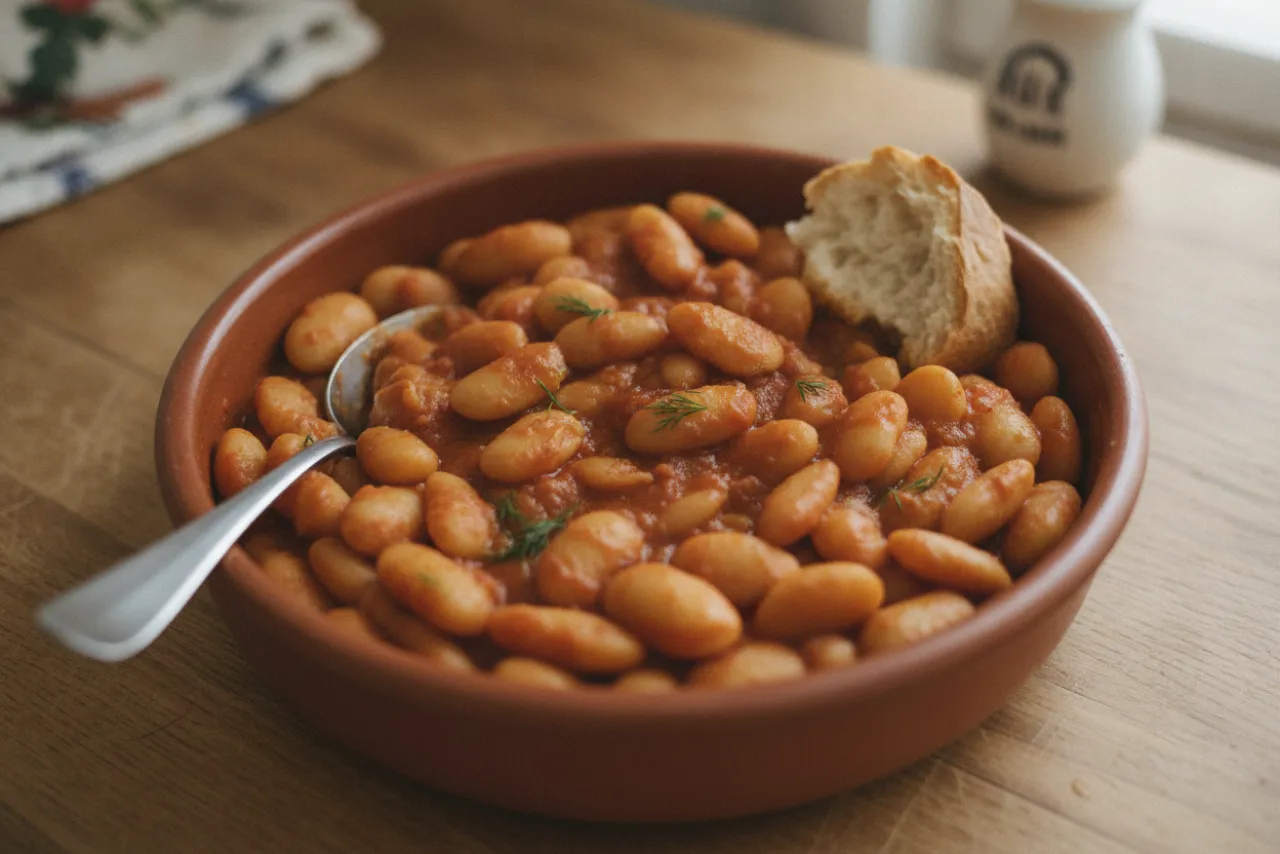
Greek30 min13g fiber14g protein
Big creamy beans simmered in garlicky tomato and olive oil — Greek taverna food from three tins and a pan.
View recipe →5Pasta e Fagioli

Italian36 min13g fiber17g protein
The classic Italian bean-and-pasta soup — thick with cannellini and borlotti, a fiber powerhouse.
View recipe →6Koshari (Egyptian Lentils, Rice & Pasta)

Middle Eastern25 min14g fiber27g protein
Egypt's national street food — lentils, rice, and pasta under spiced tomato and crisp onions. A carb-and-fiber monument.
View recipe →7Mediterranean Grain Bowl
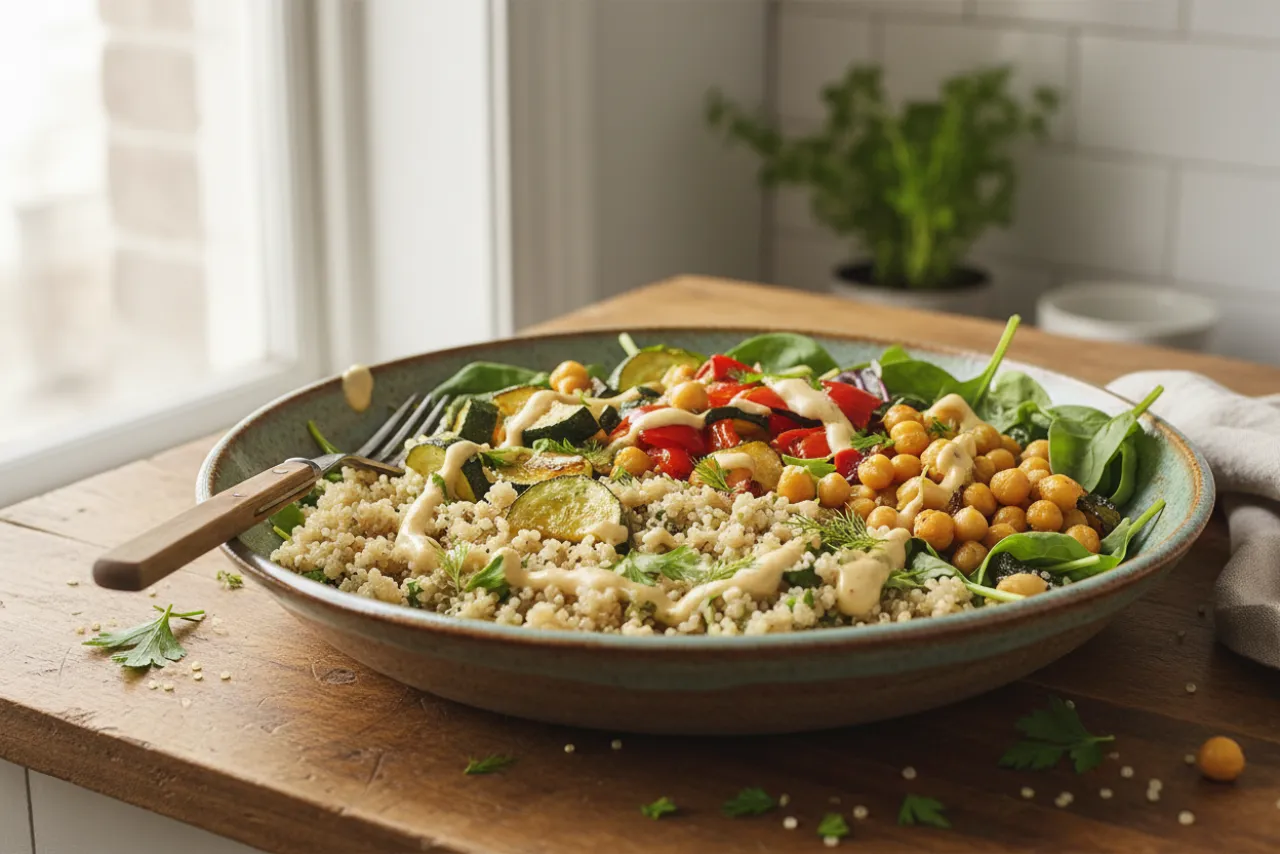
Mediterranean35 min13g fiber18g protein
Quinoa with roasted vegetables, chickpeas, and lemon-tahini.
View recipe →8Seven-Vegetable Couscous
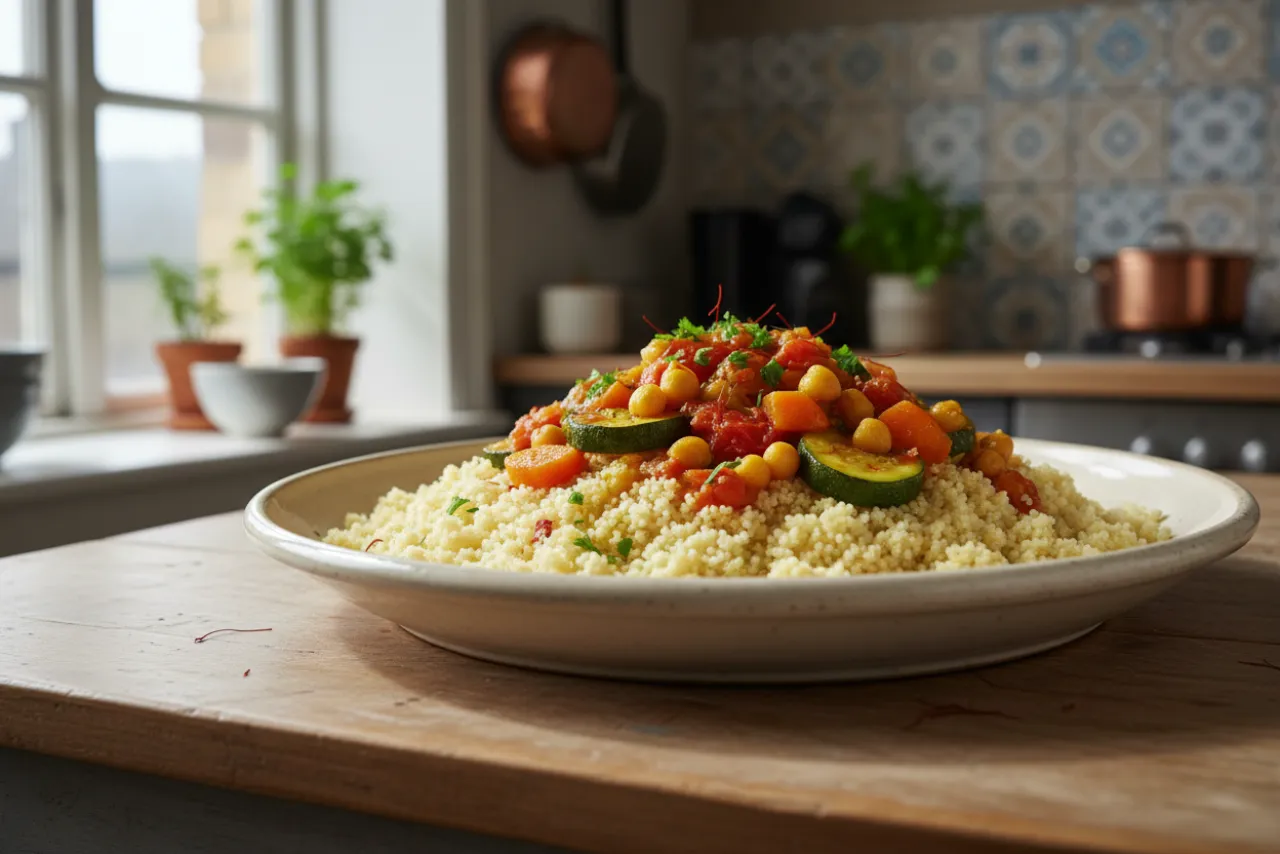
Mediterranean45 min12g fiber18g protein
Steamed couscous with a saffron-spiced vegetable stew.
View recipe →9Chicken Souvlaki
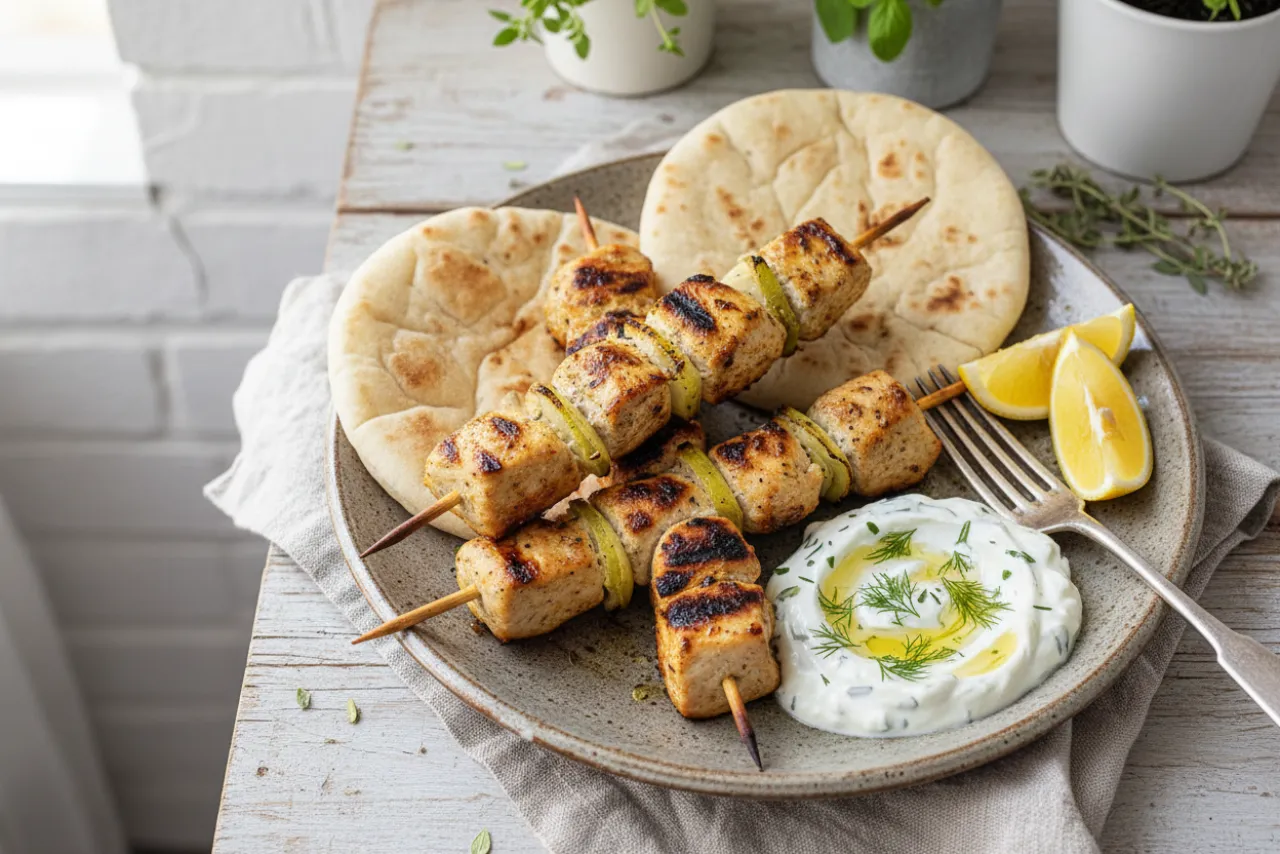
Greek35 min2g fiber30g protein
Lemon-oregano chicken skewers with tzatziki.
View recipe →10Spiced Chickpea Stew
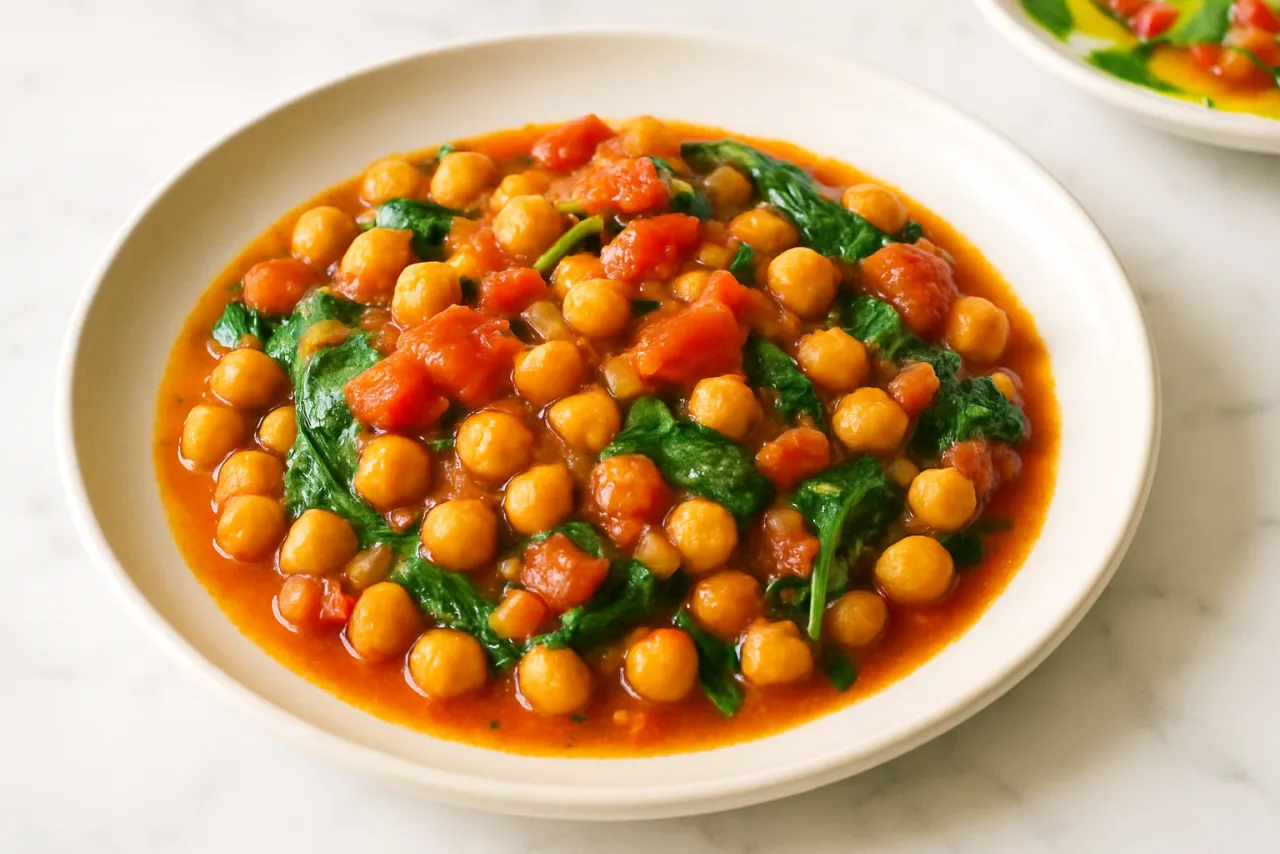
Mediterranean30 min13g fiber14g protein
Chickpeas simmered with tomato, spinach, and warm spices.
View recipe →11Garlic Shrimp Skillet
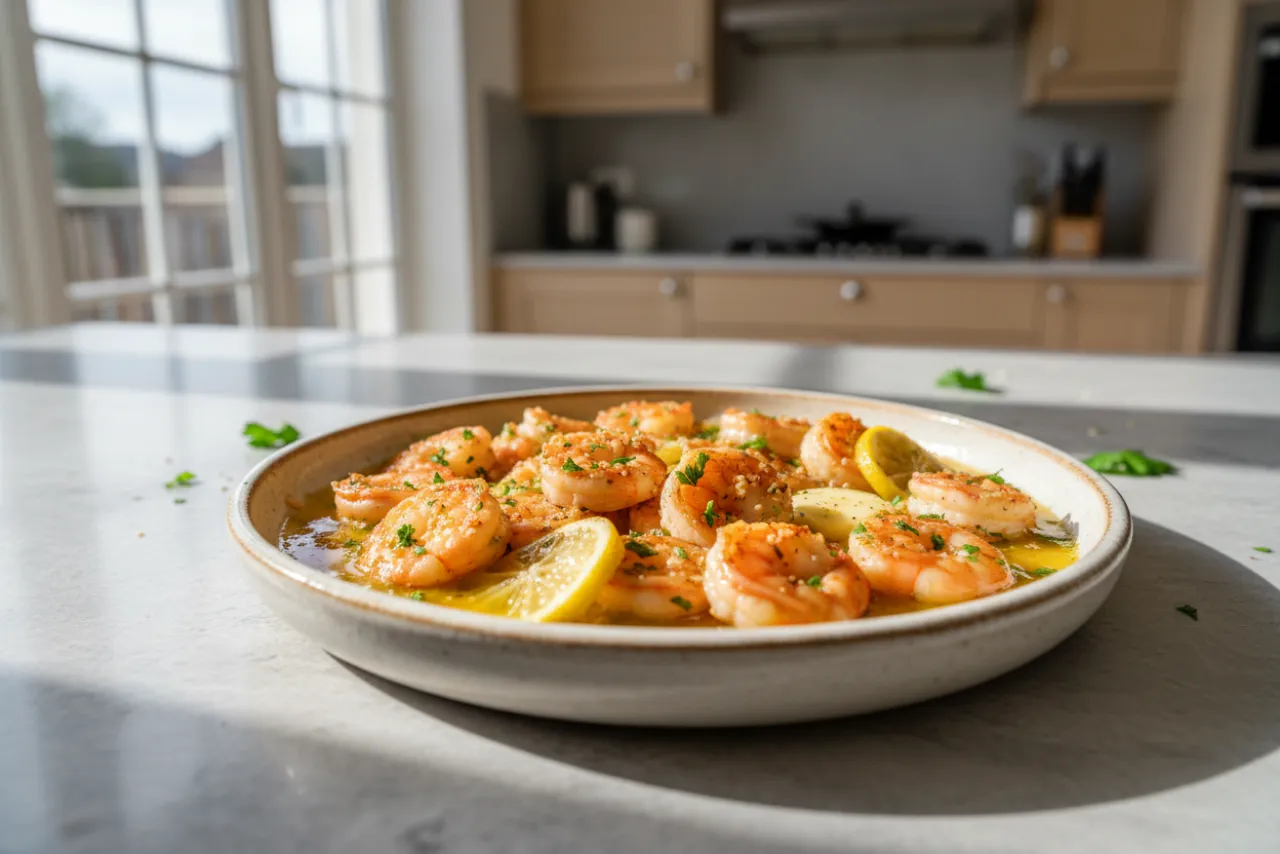
Mediterranean12 min1g fiber41g protein
Shrimp seared in garlic, lemon, and a little butter — a thirty-gram-protein dinner ready in twelve minutes.
View recipe →12Paidakia (Grilled Lamb Chops)

Greek25 min2g fiber34g protein
Lamb chops rubbed with oregano and lemon, grilled fast and hot. Simple, high-protein, and carb-free.
View recipe →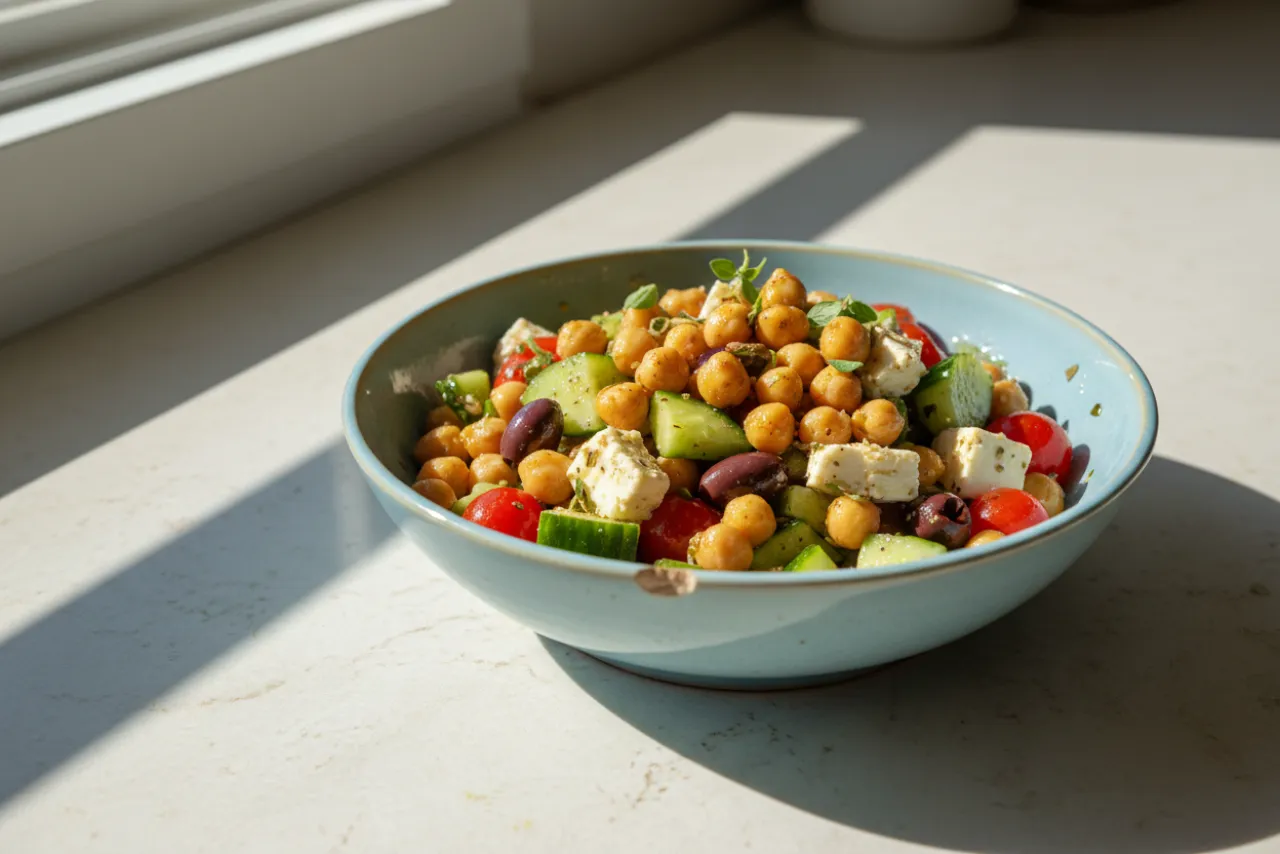 Greek12 minGreek Chickpea SaladView recipe →
 Mediterranean40 minTurkish Red Lentil SoupView recipe →
Greek30 minGrilled Sea Bream LadolemonoView recipe →
Mediterranean40 minTurkish Red Lentil SoupView recipe →
Greek30 minGrilled Sea Bream LadolemonoView recipe →
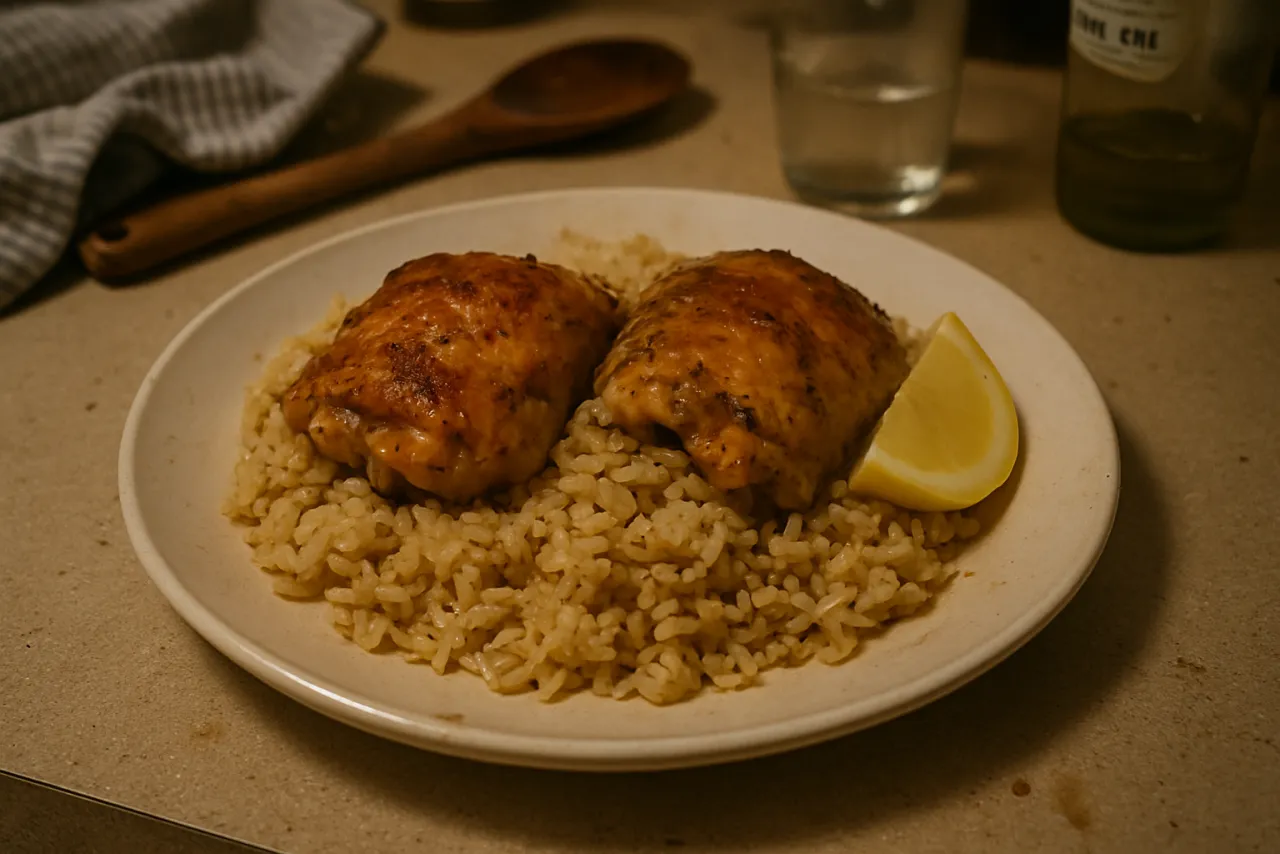 Greek45 minGreek Lemon Garlic Chicken & RiceView recipe →
 Mediterranean50 minFasolakia (Braised Green Beans)View recipe →
 Greek80 minGigantes with SpinachView recipe →
Keep exploring:
Open Homecooked to plan a Mediterranean week around what's already in your kitchen — it fills the gaps on your grocery list and guides you through cooking each meal.
Key Takeaways
The most effective Mediterranean meal plan is built on flexible, plant-forward patterns with extra virgin olive oil, whole grains, legumes, and fish as its core, not on rigid rules or calorie obsession.
| Point | Details |
|---|---|
| Pattern over perfection | Focus on food frequency and proportions, not strict rules, for sustainable long-term adherence. |
| Serving size anchors | Aim for 3–6 whole grain servings and 1–4 tablespoons of olive oil daily as your structural baseline. |
| Calorie and nutrient targets | A balanced plan averages around 1,800 calories daily with 73–98 grams of protein and 31–53 grams of fiber. |
| Batch cooking saves the week | Cooking grains and roasting vegetables in advance cuts daily prep to under 15 minutes on busy nights. |
| Flavor variety prevents quitting | Rotating herbs, spices, and acids keeps simple ingredients tasting fresh without adding complexity. |