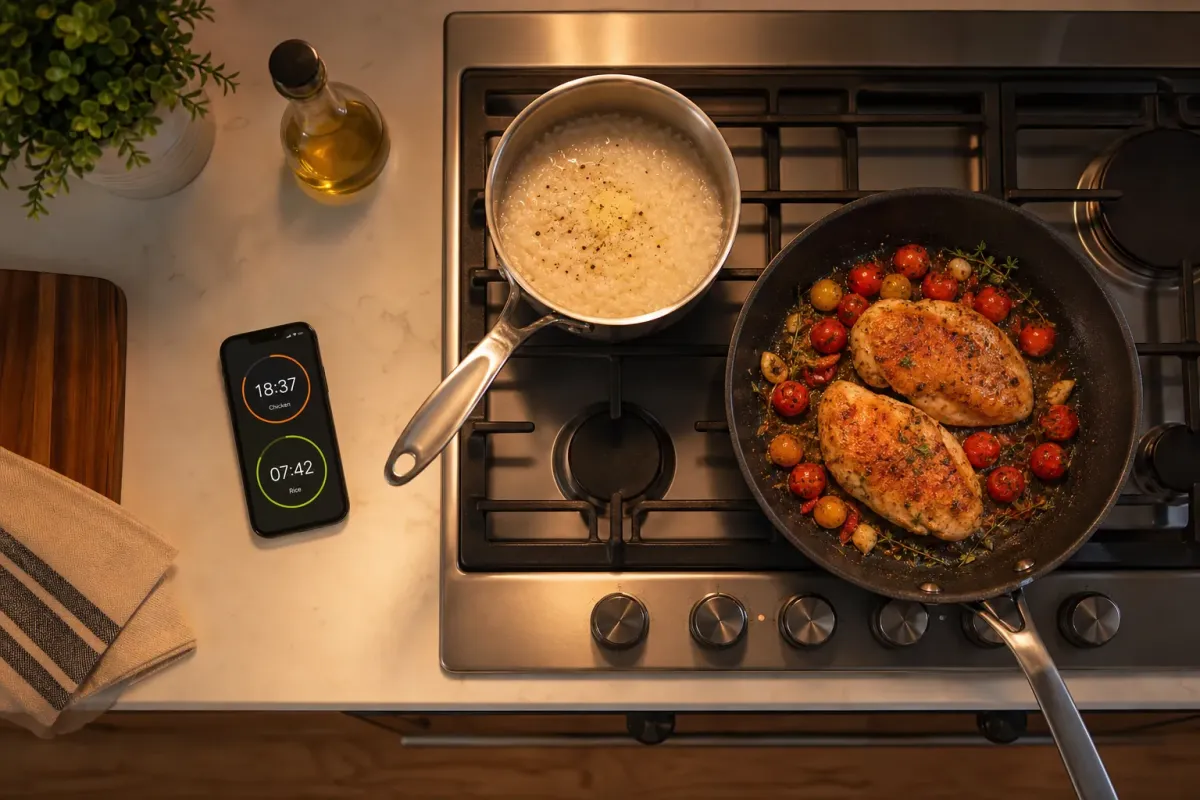
You can shave real minutes off dinner when the recipe runs like a tiny project manager. When your screen says start the oven, chop for six minutes, and set the rice now, you stop bleeding time to idle gaps. That is the idea behind smart recipes.
What smart recipes are and why they work
Smart recipes are coordinated, step-by-step guides that stack timers and compatible tasks so the whole meal lands hot at once. Instead of a static list, you get a live sequence that lines up preheating, boiling, chopping, searing, resting, and plating. The sequence fills waiting windows with useful work, which is where most home cooks lose time.
Here is the simple logic behind them:
- Start long lead items early. Ovens, stock, and grains begin first so they finish on schedule.
- Use waiting windows for prep. Chop, season, and mix while water heats or meat roasts.
- Protect high-attention steps. Do not schedule knife work while something needs stirring every 30 seconds.
- Finish with short touches. Rest proteins, then plate and garnish in the final few minutes.
When a recipe handles timing and order, you make fewer micro-decisions. That reduces context switching and mistakes. Many cooks find they finish a typical 40 minute meal in closer to 30, without rushing, because idle time becomes productive prep.
Built-in timers that make decisions for you
Timers in smart recipes are not just countdowns. They are prompts tied to actions and handoffs. You always know what to do, how long it should take, and what comes next while something cooks.
- Start triggers. Tap Start and the recipe kicks off preheat and a six minute prep window. When that window ends, you are nudged to load the tray. No dead air.
- Overlap cues. A 12 minute simmer starts, then a three minute alert fires inside it to remind you to salt and taste. You never stare at a pot waiting.
- Buffer logic. Short grace periods absorb small delays. If you take 30 seconds longer to chop, the next step adapts without throwing off the finish.
- Heads-up alerts. A one minute warning gives you time to grab a sheet pan or drain pasta before the timer hits zero.
Homecooked’s Smart Recipes are written with these micro-decisions in mind. Timers live inside the steps, not at the end. Every cue pushes the meal forward without piling on stress. You focus on good technique while the recipe keeps the clock.
Parallel steps without the stress
Cooking is already multitasking. The win is to pair tasks that fit together. Smart recipes set you up to do two things at once only when it is safe and easy.
Productive pairings that save minutes
- Preheat plus prep. Heat the oven or air fryer while you wash, cut, and season. By the time you finish, the oven is ready and the tray goes straight in.
- Boil plus build a side. Bring water to a boil and set rice or couscous, then use that cook time to toss a salad, whisk a dressing, or toast nuts.
- Roast plus sauce. While vegetables caramelize, reduce a pan sauce or blend a yogurt herb drizzle. You add flavor without adding total time.
- Rest plus assemble. Let meat rest so juices settle while you plate, garnish, and pack leftovers. Nothing sits around getting cold.
Good parallelization has guardrails. Smart recipes avoid pairing a high-attention task, like pan-frying on high heat, with precise knife work. They also cluster steps by station. You finish everything you need at the cutting board before you move to the stove, which cuts down on trips across the kitchen and keeps cleanup saner.
Plan, shop, and personalize with Homecooked
Smart steps help at 6 p.m., but your week gets easier when the planning and shopping are handled too. Homecooked ties the whole flow together.
- Personalized Cookbooks. Pick cuisines you love, set dietary preferences and allergies, and choose the ingredients you have at home. Your cookbook adapts to you, from gluten free tray bakes to high protein bowls.
- Meal Planning. Drag recipes onto your week, filter by hands-on time or total time, and let Homecooked balance fast dinners with make-ahead lunches.
- Automatic Grocery Lists. Build a plan and get a list grouped by department. Quantities roll up so you buy 2 lemons once, not three times across recipes.
- Persistent Pantry. Track what is in your kitchen. When you plan, Homecooked uses what you already have and only adds what you lack to the list.
- Curated health cookbooks. Browse goal-focused collections for debloating, reducing inflammation, and steady energy. You still get the same smart timers and parallel steps, tuned to those recipes.
Because the cookbook, plan, pantry, and list live in one place, changes ripple through. Swap Tuesday’s dinner and the list updates. Mark an onion as used and Homecooked will pick a recipe that uses the rest of your produce before it wilts. The result is fewer store runs, less waste, and more dinners that actually happen.
Smart recipes to try first
The best way to understand smart recipes is to cook one. These multi-step dishes show the engine at its most useful — built-in timers, parallel steps, and a clear order that keeps everything landing at once. Tap any to start.
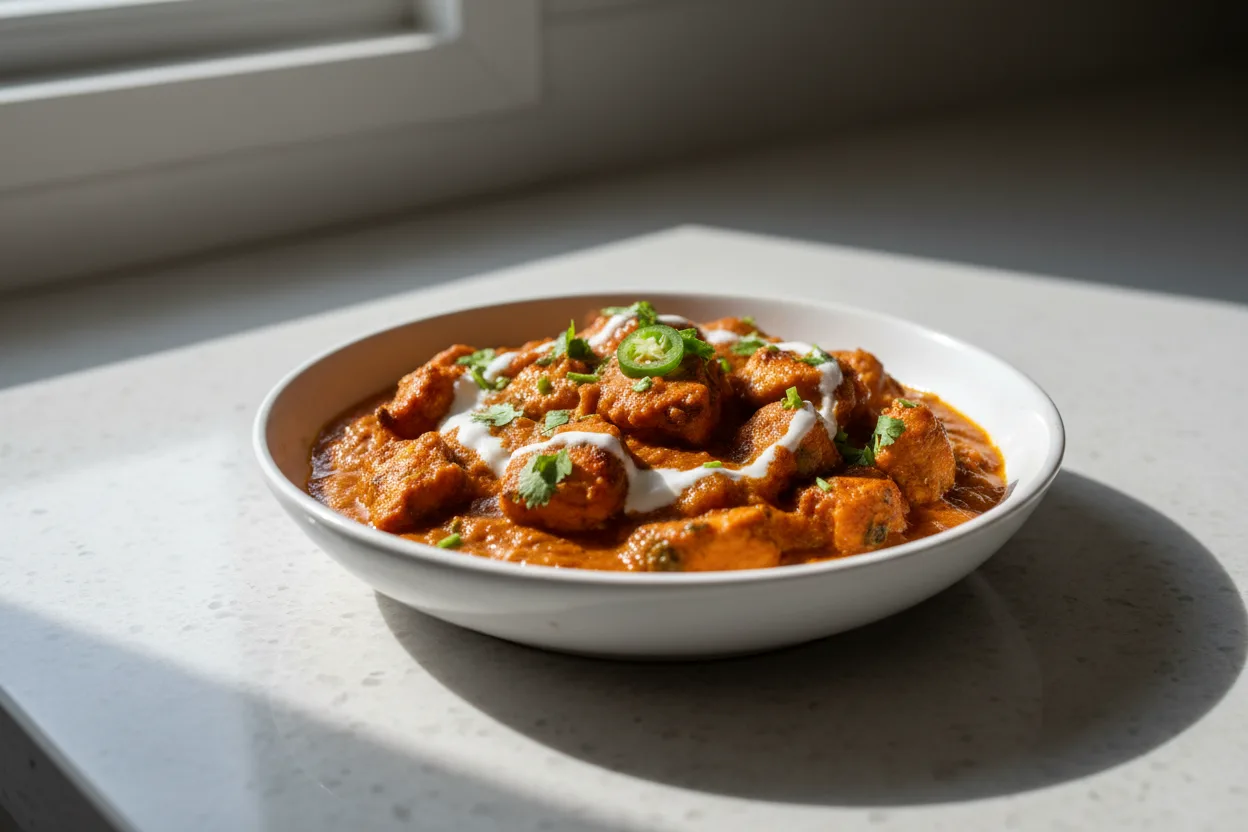 Indian55 minChicken Tikka MasalaView recipe →
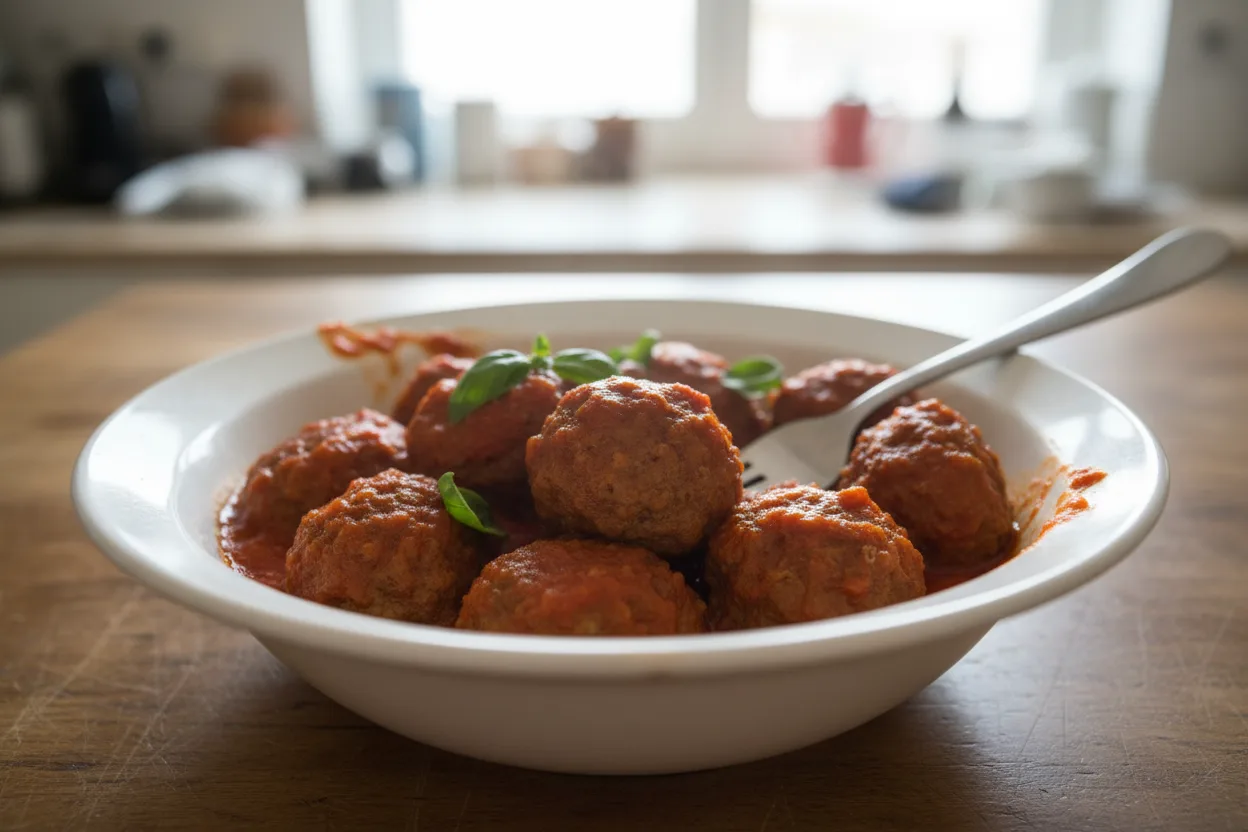 Italian40 minPolpette al PomodoroView recipe →
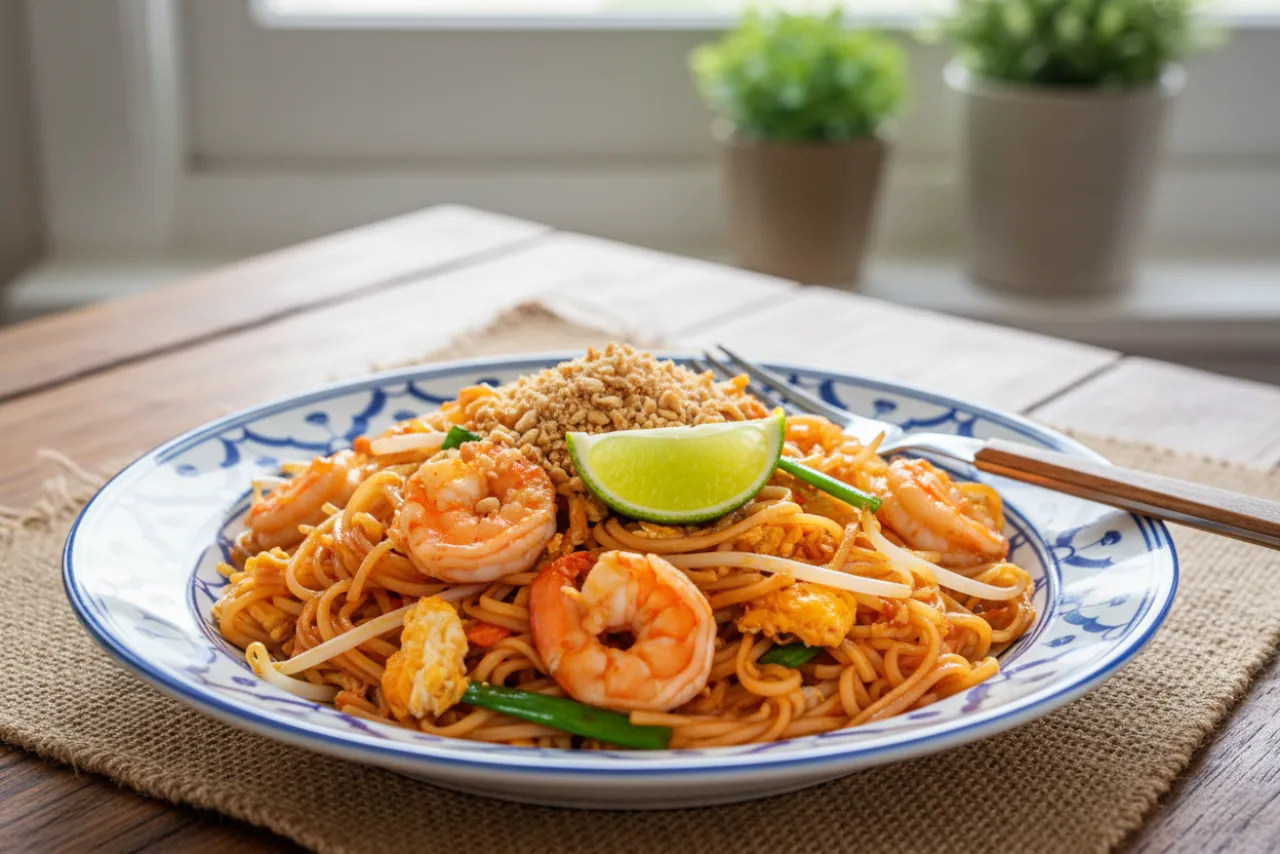 Thai30 minPad ThaiView recipe →
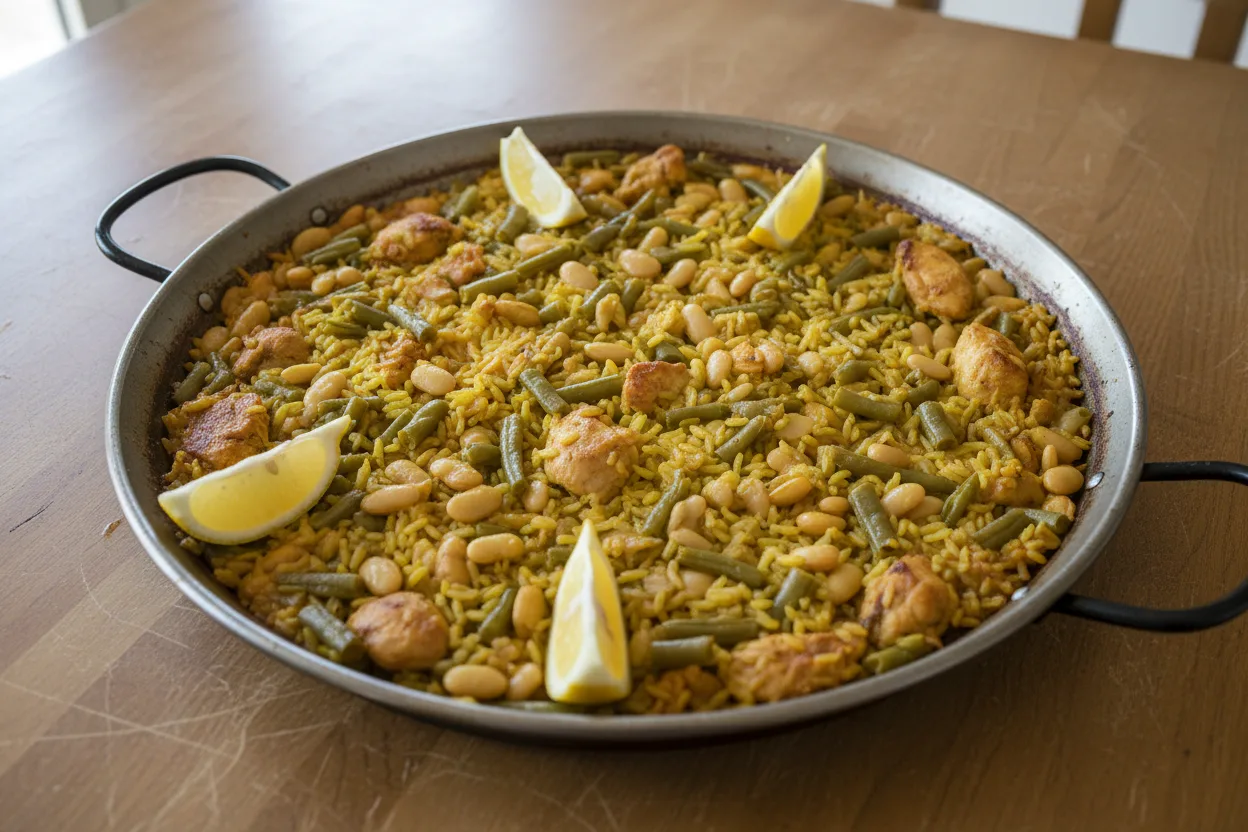 Spanish65 minPaella ValencianaView recipe →
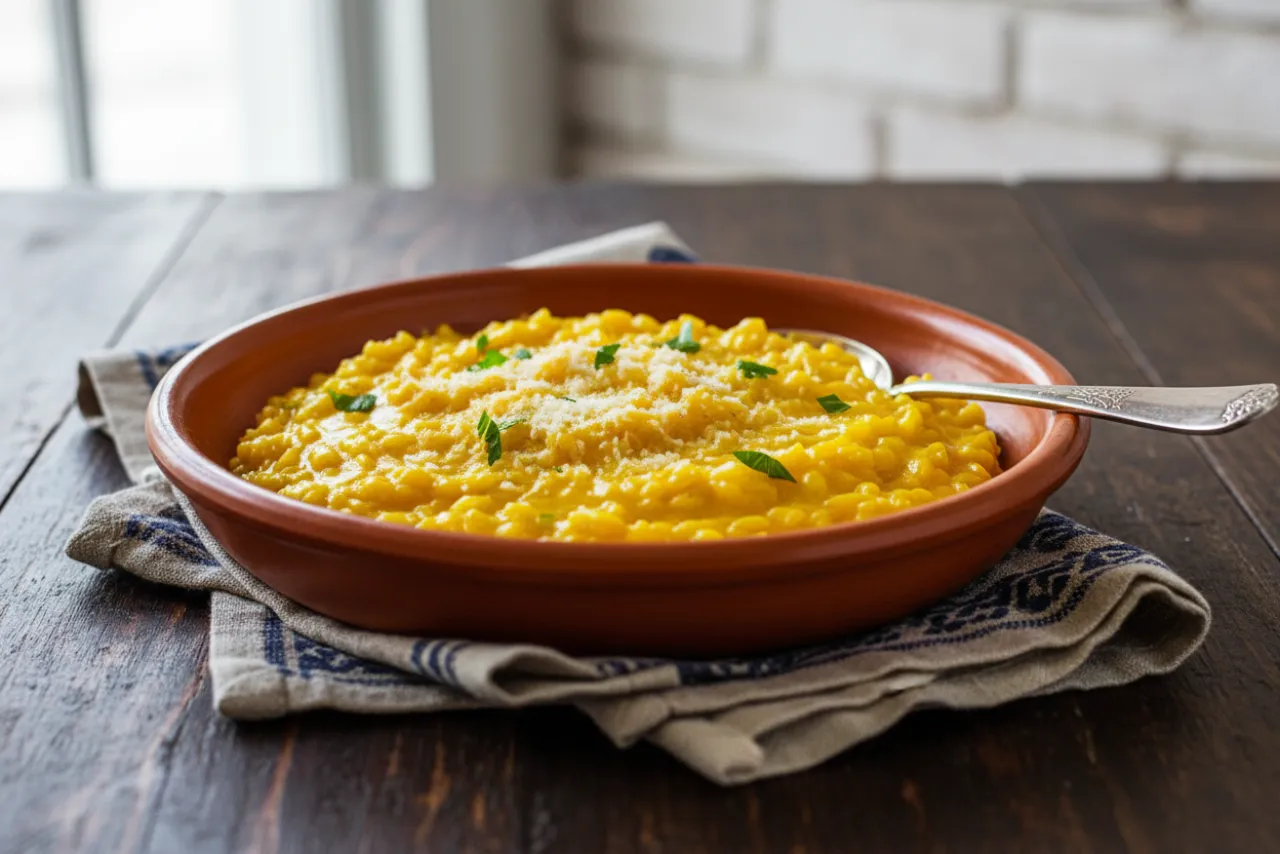 Italian35 minRisotto alla MilaneseView recipe →
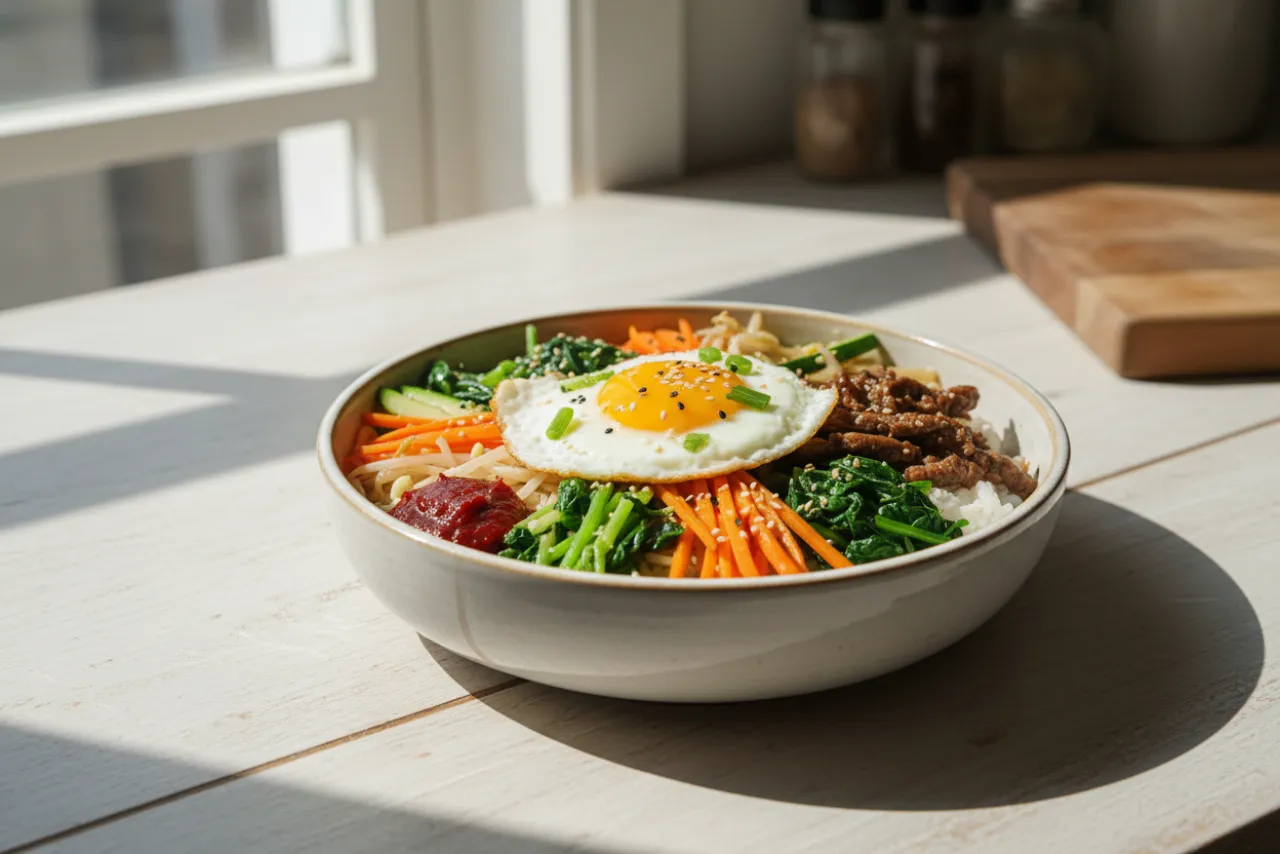 Korean50 minBibimbapView recipe →
Keep exploring:
- High-protein dinner ideas: 25 recipes →
- Easy high-protein dinners: 24 quick recipes →
- Browse all recipes in the app →
Open Homecooked to plan a week of meals around what's already in your kitchen — it tells you the few ingredients you're missing and walks you through cooking each one, step by step.
A 30 minute smart recipe, step by step
Below is a concrete run for a sheet pan chicken with roasted broccoli and lemony couscous. The exact ingredients are flexible. The structure is the point.
- Preheat and prep, 0:00 to 6:00. Heat oven to 220 C (425 F). Set a six minute timer. While it runs, cut 300 g broccoli into florets, slice 1 lemon, and season 500 g boneless chicken thighs with 1 tablespoon olive oil, 1 teaspoon kosher salt, and black pepper.
- Tray to oven, 6:00. Line a sheet pan. Spread broccoli and chicken in a single layer. Add the lemon slices around the edges. Put the tray on the middle rack. Start a 16 minute roast timer.
- Boil water, 6:30 to 10:00. Set a kettle or pot over high heat with 240 ml salted water (1 cup). When it boils, pour over 160 g couscous (about 1 cup) in a bowl, cover, and set a five minute timer. Fluff with a fork when it dings.
- Make lemon dressing, 10:00 to 13:00. In a small bowl whisk 2 tablespoons lemon juice, 1 teaspoon Dijon, 2 tablespoons olive oil, a pinch of salt, and pepper. Keep it bright and punchy.
- Sheet pan finish, 16:00 to 20:00. At 16 minutes, check doneness. If the chicken needs color, broil for 3 to 4 minutes. Toss the hot broccoli with a spoon of the dressing on the tray so it soaks up the lemony bits.
- Rest and assemble, 20:00 to 30:00. Rest chicken five minutes. Use that time to fold lemon zest and chopped parsley into couscous. Slice chicken, plate with couscous and broccoli, and drizzle remaining dressing. If you check temp, aim for 74 C (165 F) in the thickest part.
Notice the pacing. Oven preheat covers all the knife work. The roast covers boiling water and making dressing. The rest covers plating. Your hands stay busy, not frantic, and the food hits the table hot.
Key takeaways
- Smart recipes use embedded timers and parallel steps so the entire meal finishes together, hot and on time.
- They turn waiting into useful prep, which cuts total cook time without rushing.
- Good parallelization pairs low-attention tasks and protects high-attention ones, so multitasking feels calm.
- Homecooked extends the system with Personalized Cookbooks, Meal Planning, a Persistent Pantry, and Automatic Grocery Lists.
Smart recipes are not about cooking harder. They are about cooking in sequence. If you want faster, calmer weeknights, Homecooked guides each step with built-in timers and safe parallel steps, while your plan and shopping list update in the background. Fewer decisions, better timing, and dinner when you expect it.